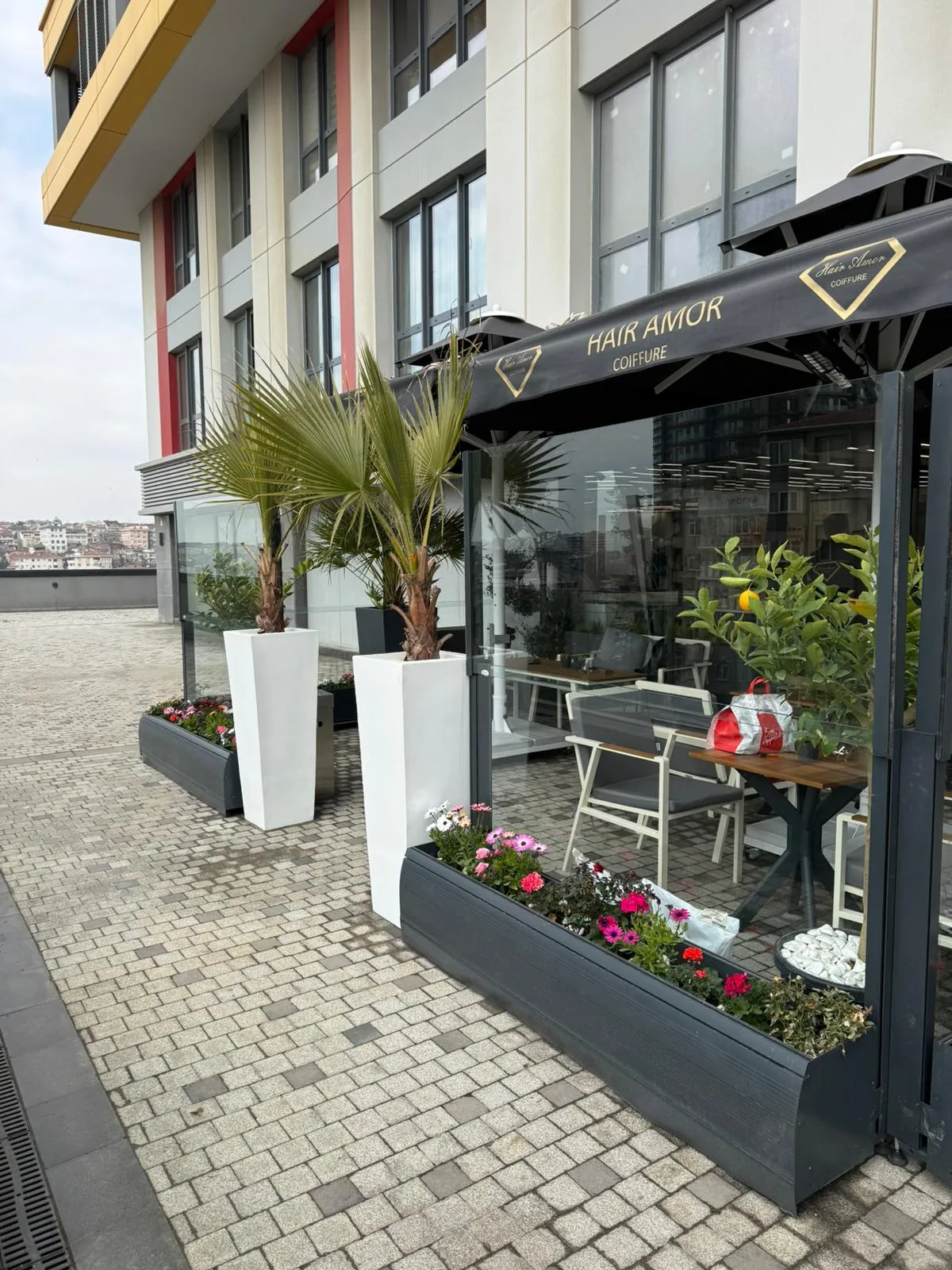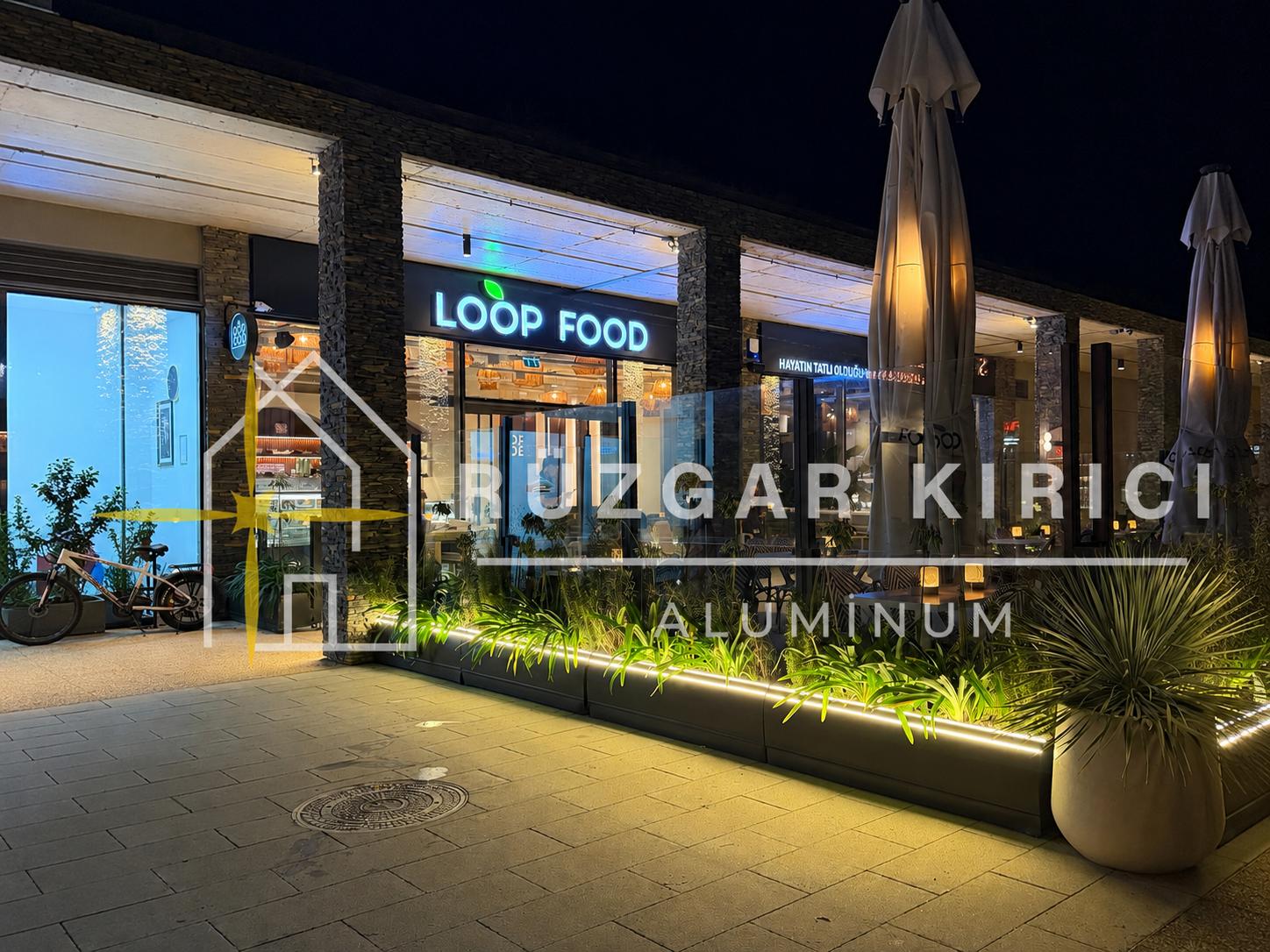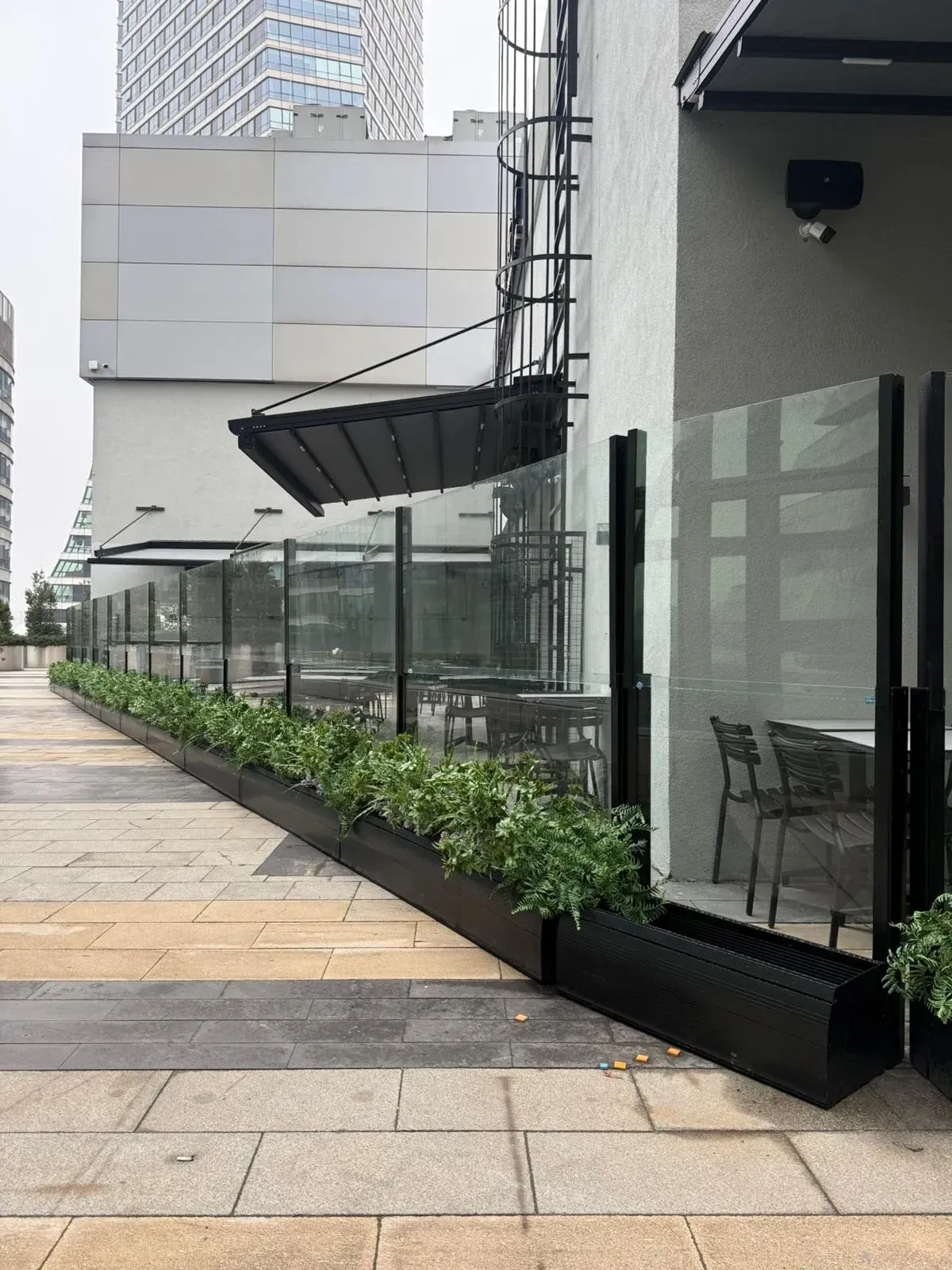
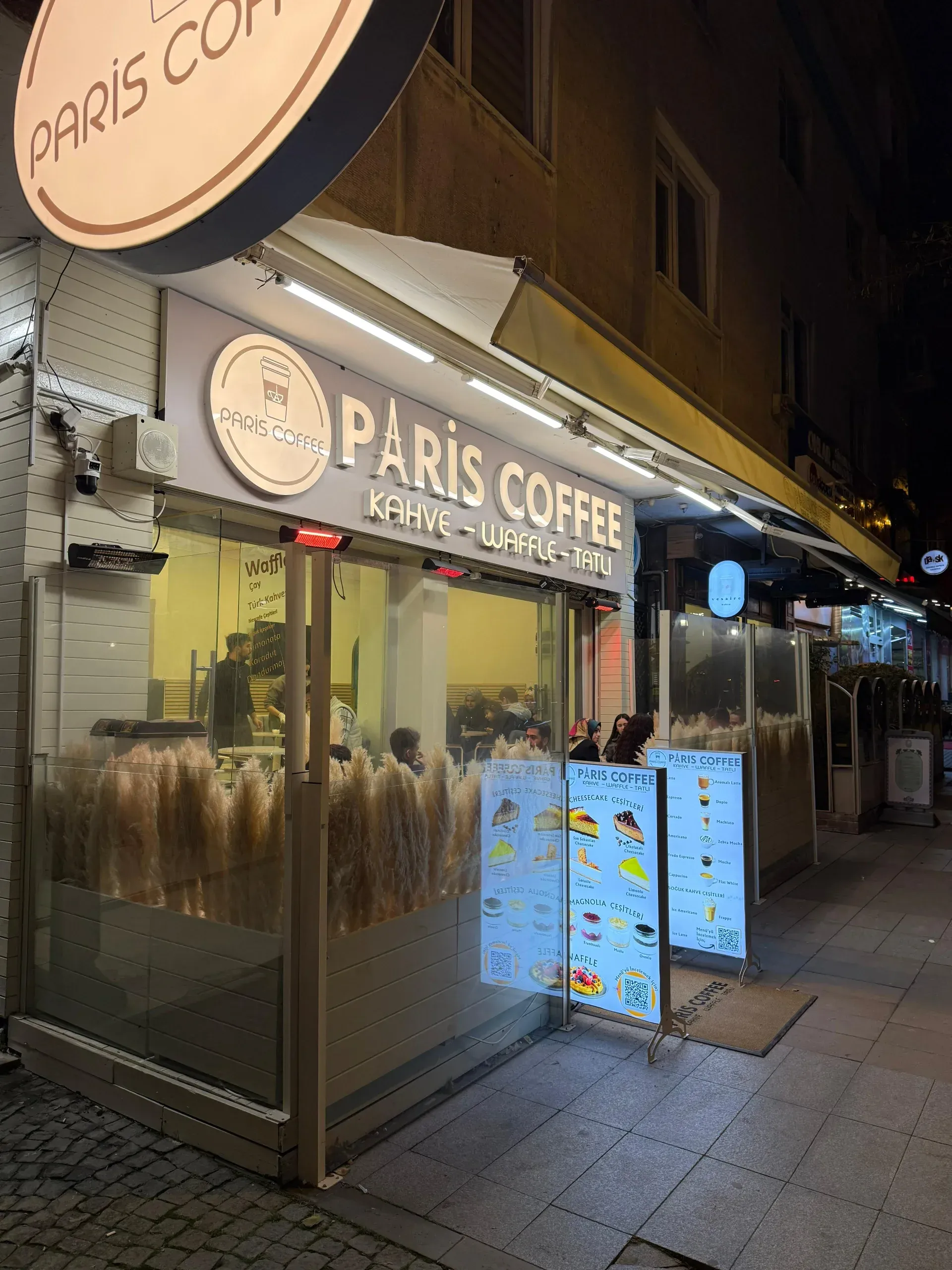
What are Aluminum Wind Breaker Systems?
Aluminum wind breaker systems are modern outdoor protection solutions consisting of aluminum profiles that carry and guide tempered glass panels. Thanks to the lightness and durability of aluminum, large glass surfaces can be safely carried and provide years of trouble-free use.
Aluminum Profile Types
1. Standard Aluminum Profiles
Ideal for those seeking economical solutions. Profiles with 1.2 mm wall thickness provide adequate performance in areas with low wind load. They are coated with electrostatic oven paint for long-lasting use.
2. Premium Aluminum Profiles
Profiles with 2 mm wall thickness provide superior resistance against high wind loads. Especially preferred in coastal areas and regions with intense wind. Offers 100% wind tightness thanks to double-gasket sealing system.
3. Thermal Break Profiles
Contains a thermal break barrier that cuts the heat bridge between indoor and outdoor environments. Prevents heat loss in cold climate regions, saves energy. These polyamide barrier profiles offer up to 40% improvement in thermal insulation.
Advantages of Aluminum
- Rust-Proof: Aluminum is resistant to corrosion thanks to its natural oxide layer. Does not rust even in salty environments like coastal areas.
- Lightweight: Aluminum is 3 times lighter than steel, providing ease of transport and installation. Reduces the load on the ground.
- Low Maintenance: Aluminum profiles do not require regular painting. Cleaning with soapy water is sufficient.
- Recyclability: Aluminum is 100% recyclable. Ideal choice for environmentally friendly projects.
- Color Options: With electrostatic oven paint, it perfectly matches your venue with over 200 color options from the RAL catalog.
- Long Life: With proper maintenance, aluminum profiles provide up to 30 years of trouble-free use.
Aluminum vs. Other Materials
| Feature | Aluminum | Steel | PVC | Wood |
|---|---|---|---|---|
| Weight | Light | Heavy | Medium | Medium |
| Rust/Corrosion | Rust-proof | Rusts | Resistant | Requires care |
| Durability | High | Very High | Low | Medium |
| Maintenance | Easy | Medium | Easy | Hard |
| Color Options | 200+ RAL | Limited | Limited | Natural |
| Recycling | 100% | 100% | Limited | Natural |
| Lifespan | 30+ years | 20+ years | 15-20 years | 10-15 years |
Aluminum Profile Production Process
Aluminum wind breaker profiles are produced through extrusion. Using 6000 series aluminum alloy (AlMgSi), profiles are formed in desired cross-sections. Production stages:
- Extrusion: Aluminum billet heated to 500°C is passed through a die using a press to form the profile shape
- Cooling: Profiles are cooled in a controlled environment
- Aging: Baked at 180°C to increase mechanical strength
- Surface Treatment: Anodizing or electrostatic powder coating is applied
- Quality Control: Dimensional tolerances and surface quality are checked
Which Profile for Which Space?
Cafe and Restaurant Terraces
Premium aluminum profiles should be preferred. Intensive use and constant opening/closing puts stress on the mechanism. Profiles with 2 mm wall thickness offer long-lasting use.
Villa and Residential Gardens
Standard aluminum profiles provide adequate performance. Offers quality solutions at lower cost. Matches your garden decoration with color options.
Seaside Venues
Corrosion risk is high in coastal areas. Aluminum's natural corrosion resistance is its biggest advantage in these environments. Anodized coated profiles are ideal for seaside locations.
Maintenance and Cleaning
Maintenance of aluminum profiles is quite simple:
- Cleaning with warm soapy water and a soft cloth is sufficient
- Do not use abrasive cleaning agents
- In salty environments, rinse with fresh water once a month
- Clean profile channels regularly
- Check screws and connection points once a year
Conclusion
Aluminum wind breaker systems are the most ideal material for outdoor protection solutions with their lightness, durability, low maintenance requirements, and aesthetic appearance. They are unrivaled especially in coastal and humid environments with their rust-proof structure. With the right profile type selection, they provide years of trouble-free use. This same durability and corrosion resistance also benefits aluminum fence and railing systems.