Dynamic Outdoor Comfort: The Rise of Retractable Glass Windbreaks
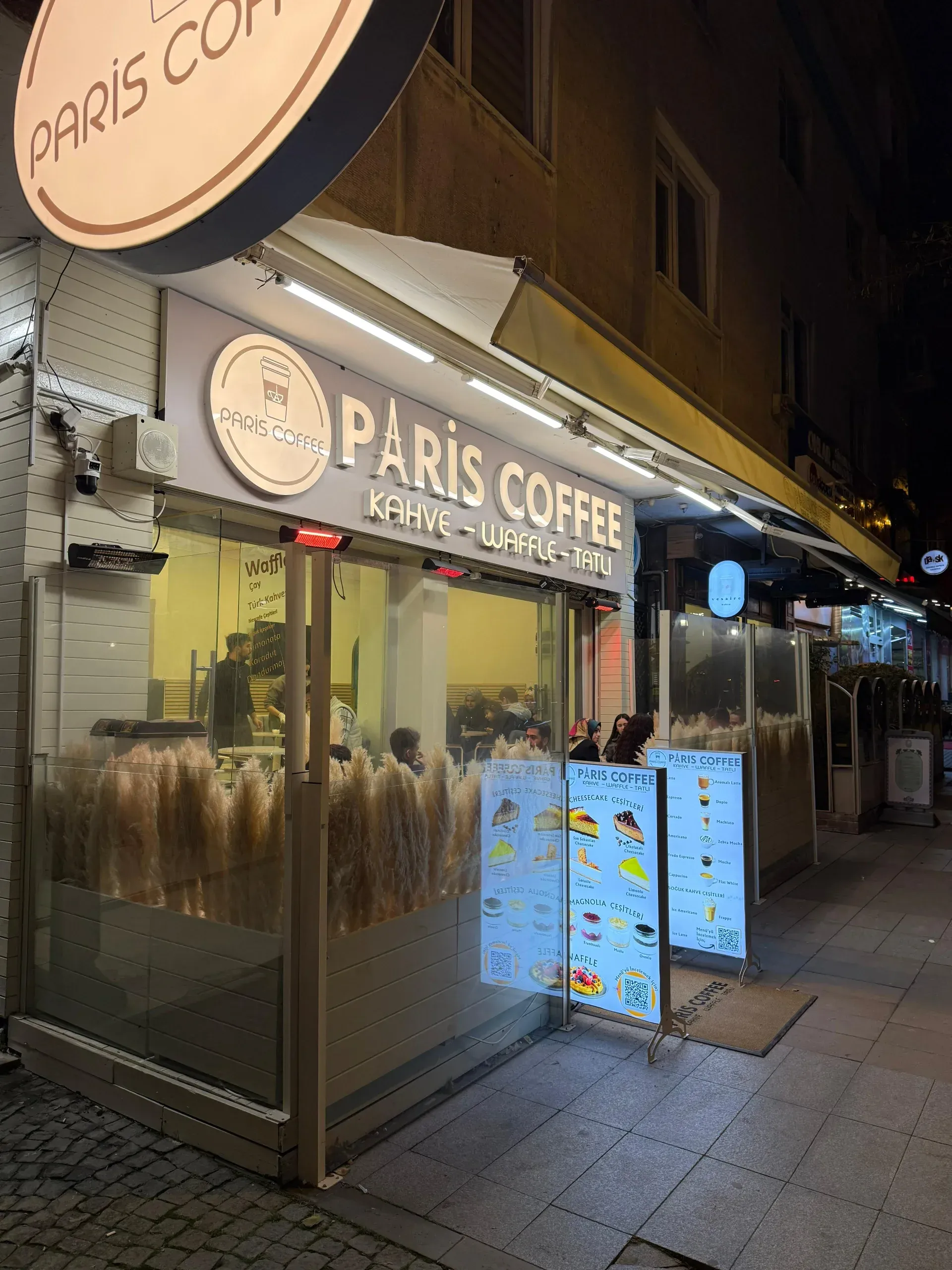
Traditional fixed-height glass balustrades protect outdoor patios from horizontal wind, but on hot, calm summer afternoons they can trap stagnant air, producing an uncomfortable greenhouse effect. In contrast, height-adjustable telescopic glass windbreaks deliver dynamic, responsive perimeter control. When the weather is balmy, the movable upper panel remains retracted at low height (typically 110 cm), preserving fresh airflow. When breezes stiffen or temperatures drop, the glass screen elevates smoothly to 180 cm or 200 cm, forming an impenetrable barrier against wind drafts and dust.
When selecting a telescopic commercial glass barrier, restaurant operators and architects face a core technical decision: Should you install motorized electric windbreaks or manual gas-strut (piston-assisted) systems? This technical guide breaks down the engineering, structural performance, operating costs, and hospitality use cases for both technologies.
1. Motorized (Automated / Remote-Controlled) Glass Windbreaks
Motorized commercial windbreaks house high-torque 24V DC tubular motors, counter-weight cable drives, and precision bearings concealed within the vertical aluminium extruded jambs. Operating via multi-channel wireless remotes, smart building management interfaces, or dedicated wall switches, dozens of modular panels can raise or lower simultaneously in seconds.
Key Advantages of Motorized Glass Systems:
- Centralized Single-Touch Control: Floor managers can instantly shelter an entire 50-meter restaurant terrace with a single button press without interrupting waitstaff service.
- Anemometer (Wind Sensor) Integration: Smart anemometers monitor real-time wind speed. If coastal gusts exceed a safe threshold (e.g., 40 km/h), the automated system deploys upward automatically.
- High-End Hospitality Aesthetic: Silent, synchronized glass elevation conveys architectural luxury, creating an impressive spectacle for seated dining guests.
- Extra-Wide Modules: Motorized drive torque accommodates wide panels up to 220 cm without manual lifting effort.
Considerations for Motorized Systems:
- Electrical Pre-Wiring: Requires dedicated electrical conduit runs to the terrace perimeter prior to final floor paving.
- Higher Initial Capital Expenditure: Electric motors, transmitters, and sensors increase initial investment by approximately 25% to 35% compared to manual gas systems.
2. Gas-Strut (Piston-Assisted / Push-Up) Glass Windbreaks
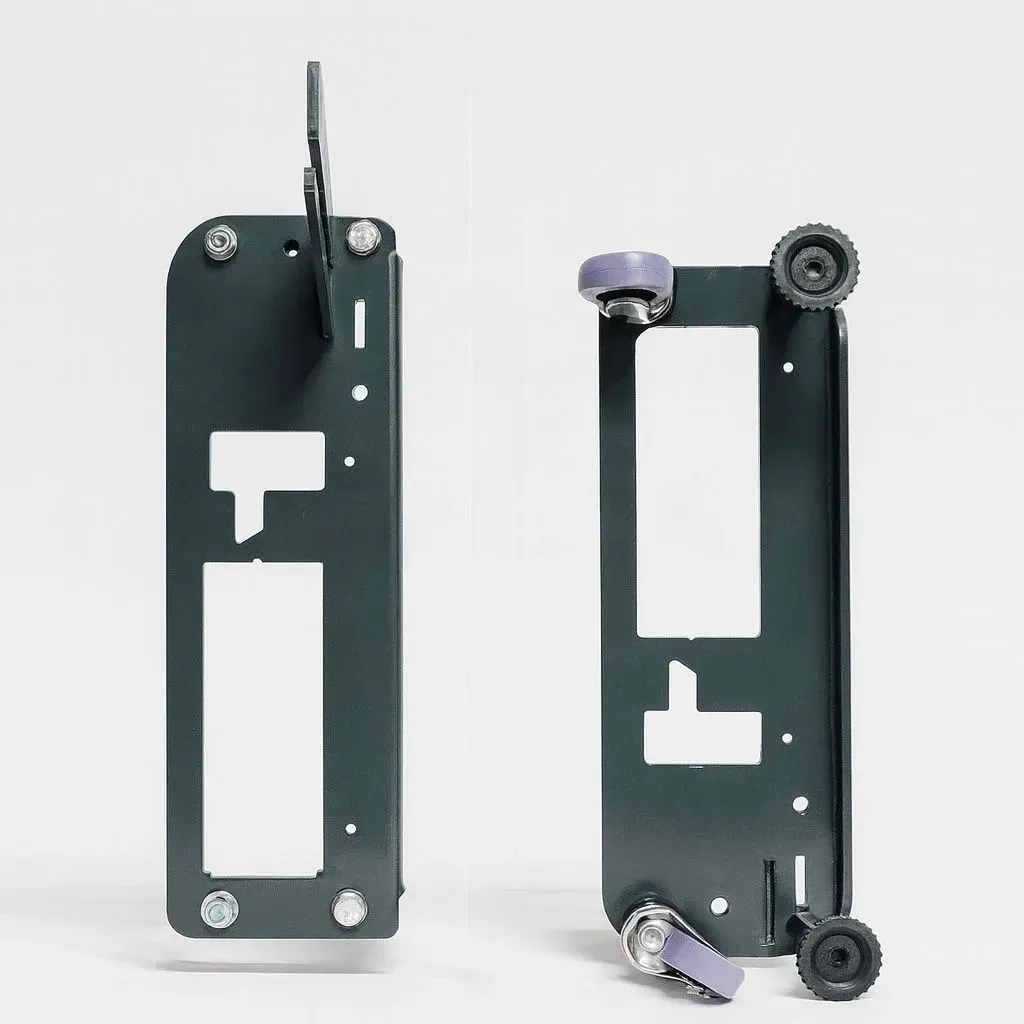
Gas-strut glass windbreaks operate using industrial nitrogen gas springs (similar to automotive hatch supports). A gentle downward tap releases an internal latch mechanism, allowing pressurized gas cylinders to smoothly glide the upper counterbalanced glass panel upward without electrical power.
Key Advantages of Gas-Strut Systems:
- Zero Electrical Dependency: Requires no power supply, cabling, transformers, or junction boxes. Ideal for open gardens, seaside boardwalks, and remote rooftop terraces.
- Cost-Effective Capital Outlay: Eliminating electronic motors and automation boards lowers initial procurement costs substantially.
- Virtually Zero Maintenance: Industrial-grade gas cylinders are rated for over 100,000 continuous cycles, offering dependable operation in saline, coastal environments without electrical failure risks.
- Fast, Turnkey Installation: Because no electrical inspection is required, panels are bolted down and operational the same day.
Considerations for Gas-Strut Systems:
- Manual Operation: Each modular panel must be pushed or released individually by staff or guests.
- Width Limitations: To ensure uniform gas spring balance, single modules are typically capped at 150 cm to 180 cm wide.
Engineering Comparison Table: Motorized vs. Gas-Strut
| Technical Specification | Motorized Glass Windbreak | Gas-Strut (Piston) Windbreak |
|---|---|---|
| Operation Method | RF Remote / Smartphone / Sensor | Manual touch & auto gas release |
| Power Requirement | 24V DC / 230V AC mains connection | None (100% mechanical) |
| Max Module Span | 200 cm - 220 cm | 150 cm - 180 cm |
| Wind Resistance | Certified 120+ km/h (DIN EN 12150) | Certified 100 - 110 km/h |
| Maintenance Scope | Periodic electrical & cable inspection | Minimal (sealed gas struts) |
| Optimal Applications | Rooftop bars, luxury hotels, grand terraces | Bistros, seaside cafes, leased patios, villas |
Glass Safety & Extrusion Standards (DIN EN 12150 & 6063-T6)
Regardless of drive mechanism, structural safety is non-negotiable in public hospitality spaces. As a specialized custom glass windbreak manufacturer, our systems are engineered with:
- Toughened Safety Glass: 8 mm DIN EN 12150 tempered glass on fixed lower panels and 5 mm or 8 mm safety glass on movable upper panels. Upon rare catastrophic impact, the glass shatters into harmless blunt granules rather than sharp shards.
- Acoustic Brush Seals & Polyamide Guides: Movable profiles slide along internal self-lubricating polyamide tracks lined with high-density weatherpile, eliminating rattling and wind whistles during severe gales.
- Heavy-Duty Architectural Aluminium: Extruded from 6063-T6 alloy and finished with Qualicoat-certified architectural electrostatic powder coating for maximum marine corrosion protection.
Which System Should You Choose?
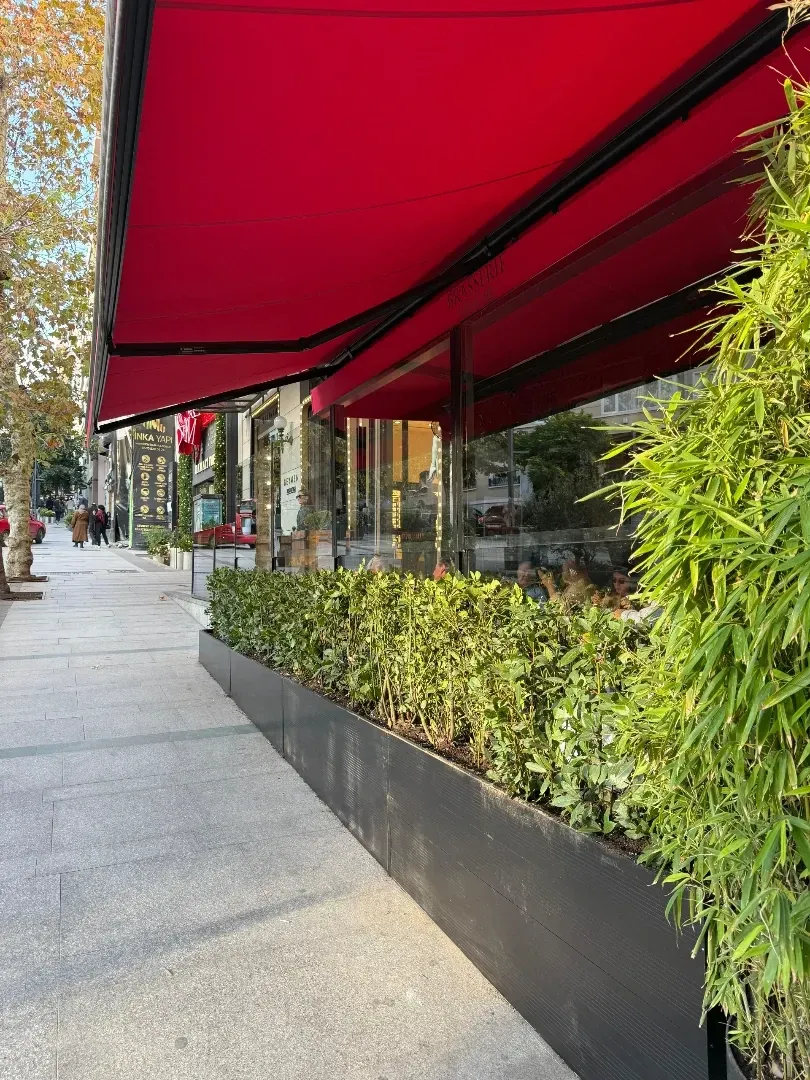
If you manage an expansive restaurant terrace or a rooftop venue with available electrical infrastructure, the single-touch convenience and prestige of motorized telescopic glass windbreaks deliver unparalleled guest impact and operational ease. For municipal sidewalk cafes, beachfront bistros, or properties without electrical access, gas-strut piston glass windbreaks offer the most durable, cost-efficient, and fail-safe solution available.
Request Technical Specifications & Direct Manufacturer Quote
Explore our full range of certified height-adjustable glass systems on our products catalog. Contact our engineering desk via the inquiry form or via WhatsApp to receive architectural CAD drawings, structural wind load calculations, and competitive factory-direct pricing for your next commercial project.